
The US-Iran war is entering a more complicated phase as the conflict increasingly spreads beyond Iran and the Persian Gulf. New developments in Iraq and Yemen are creating additional pressure on Saudi Arabia, global shipping routes and the United States.
While the Strait of Hormuz remains one of the biggest concerns for energy markets, events in Iraq and Yemen are now opening another strategic front.
Iraq Seizes Drone-Launching Platform Linked to Saudi Oil Pipeline Attack
US Iran War Latest: Saudi Pipeline Attack
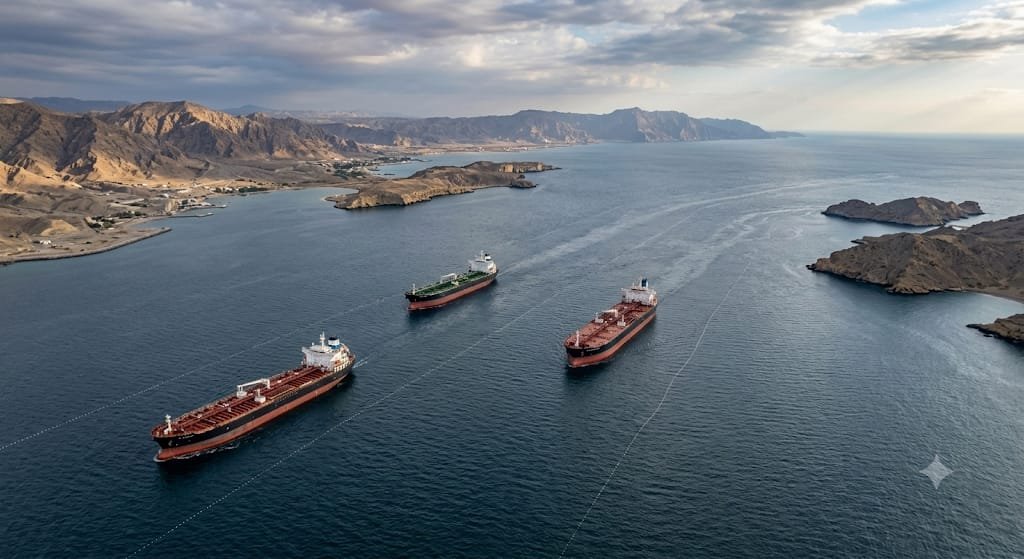
One of the biggest developments today came from Iraq.
Iraqi authorities said they seized a drone-launching platform that was allegedly used in attacks against Saudi Arabia’s critical East-West oil pipeline. Saudi authorities had traced the launch site to Iraq’s Maysan province, close to the Iranian border.
The development puts additional pressure on Baghdad because Iraq is now facing questions over armed groups operating from its territory.
Iraq has reportedly taken security measures and launched an investigation into how the drones were launched. The situation is particularly sensitive because the area has a long history of activity by Iran-aligned armed groups.
For Washington, the issue is important because any continued attacks from Iraqi territory could turn Iraq into another major pressure point in the wider US-Iran conflict.
Houthis Open Another Pressure Point Against Saudi Arabian
US-Iran War
At the same time, the Iran-aligned Houthi movement in Yemen is expanding its military activity.
The Houthis claimed that they launched ballistic missiles and drones at a Saudi military base in the country’s south. Saudi authorities separately reported that a projectile struck the Jazan region, injuring two people and damaging a mosque, buildings and vehicles.
The bigger concern is not just the latest attack.
Houthi forces have been advancing along Yemen’s Red Sea coast and moving closer to the strategically important Bab el-Mandeb Strait. This waterway connects the Red Sea with the Gulf of Aden and is a major route for international shipping.
Why Bab el-Mandeb Could Become the Next Major Flashpoint
US-Iran War
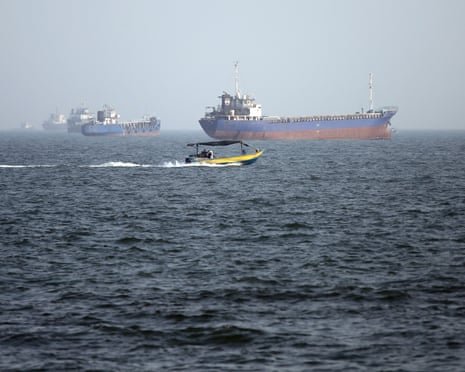
The Strait of Hormuz and Bab el-Mandeb are two different maritime chokepoints, but both are extremely important for global trade.
If shipping faces serious disruption in both areas at the same time, oil tankers and commercial vessels could face longer routes, higher insurance costs and increasing security risks.
That is why the Houthi advance is attracting attention in Washington and other capitals.
Reuters reports that the Houthi advance has created a new strategic problem for the United States because Washington is already dealing with the wider Iran conflict and instability around the Strait of Hormuz.
Saudi Arabia Is Facing Pressure From Multiple Directions
US-Iran War
Saudi Arabia is now dealing with security threats involving both its southern border and its oil infrastructure.
The country has already suffered attacks connected to the wider regional conflict, while its East-West oil pipeline was temporarily shut after a drone attack. The pipeline is particularly important because it provides an alternative route for transporting Saudi crude without relying entirely on the Strait of Hormuz.
The International Energy Agency has also reported a major fall in Saudi crude supply. Its estimate for August was around 6 million barrels per day, the lowest level in more than three decades.
What This Means for the US and Global Economy
US-Iran War
The latest developments suggest that the US-Iran war is becoming more than a direct confrontation between two countries.
Iraq, Yemen, Saudi Arabia and major maritime routes are increasingly becoming part of the wider crisis.
For the United States, the biggest challenge may be preventing the conflict from expanding while protecting global energy supplies and shipping routes.
For consumers, the consequences could appear through higher fuel prices, transportation costs and broader inflation if disruptions continue.
Brent crude has already moved above $100 a barrel as concerns over Middle Eastern oil supplies increase.
The Bigger Picture
US-Iran War
The most important development today is not simply another missile or drone attack.
It is the possibility that the conflict is creating multiple connected fronts:
- Iran: Direct confrontation with the United States
- Iraq: Drone attacks and pressure on Baghdad
- Saudi Arabia: Oil infrastructure and security threats
- Yemen: Houthi military expansion
- Hormuz: Threats to Gulf shipping
- Bab el-Mandeb: Growing risk to Red Sea shipping
If these fronts continue to develop simultaneously, the US-Iran war could become a much wider regional conflict with consequences far beyond the Middle East.
1 thought on “US-Iran War Expands: Iraq Drone Probe and Houthi Advance Open a New Front”