
Red Sea Chokepoint
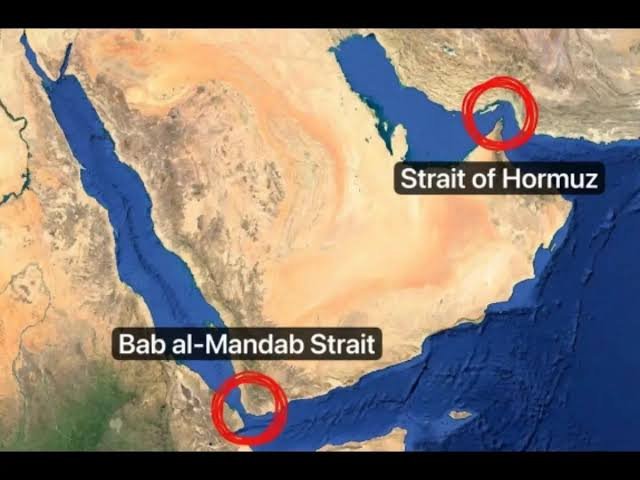
The Red Sea is rapidly becoming another major pressure point in the widening Middle East conflict. Iran-backed Houthi forces have made significant gains along Yemen’s Red Sea coast, capturing the strategic port of Mokha and moving onto Mayun (Perim) Island near the Bab el-Mandeb Strait.
The development is particularly important for Washington because Bab el-Mandeb connects the Red Sea with the Gulf of Aden and is a critical route for global shipping. Recent Houthi advances could make it easier for the group to threaten vessels operating through the narrow maritime gateway.
Why the Red Sea Matters to the US
Red Sea Chokepoint
The Red Sea is not simply a regional waterway. It is an important link between Asian, Middle Eastern and European trade routes.
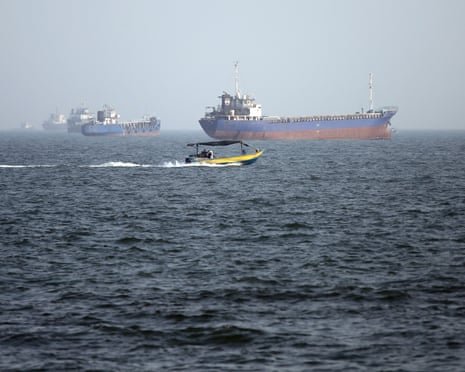
Houthi attacks since 2023 have already pushed many commercial operators away from the route. Traffic remains significantly below pre-crisis levels, forcing ships to take longer and more expensive routes around Africa.
A prolonged conflict could increase shipping costs, insurance premiums and energy prices while putting additional pressure on the global supply chain.
Washington Faces a Difficult Choice
Red Sea Chokepoint
For the United States, the latest Houthi gains create a difficult strategic calculation.
A larger military campaign could help protect shipping but would also risk expanding Washington’s involvement in another Middle Eastern conflict. On the other hand, allowing the Houthis to consolidate their position near Bab el-Mandeb could give Iran and its allies another powerful tool to pressure regional trade.
The situation has become even more sensitive because the Strait of Hormuz is already facing major disruption. With two critical maritime chokepoints under pressure, Washington has fewer easy alternatives for maintaining stable energy and commercial flows.
The Cost of a Long Conflict
Red Sea Chokepoint
The biggest concern for Washington may be the possibility of a prolonged confrontation.
If fighting continues along Yemen’s Red Sea coast, shipping companies could remain reluctant to return to the route. Longer journeys would mean higher fuel consumption, increased freight costs and additional pressure on global consumers.
For Asian customers, alternative routes can dramatically increase travel time. One current workaround involving the Suez route can more than double the journey time for some oil shipments compared with the normal Red Sea route.
That makes the Red Sea crisis an economic problem as much as a military one.
A New Strategic Pressure Point
Red Sea Chokepoint
The Houthi advance does not automatically mean that global shipping will be completely blocked. But it gives the group greater geographical access to one of the world’s most important maritime gateways.
For Washington, the challenge is therefore not simply defeating a militant group. It is preventing a regional conflict from turning two major shipping chokepoints into long-term instruments of economic pressure.
As fighting intensifies, the Red Sea could become one of the most important tests of US strategy in the Middle East — and the longer the conflict continues, the higher the economic and military costs could become.
1 thought on “The Red Sea Chokepoint: Why Washington Can’t Afford a Drawn-Out Conflict”